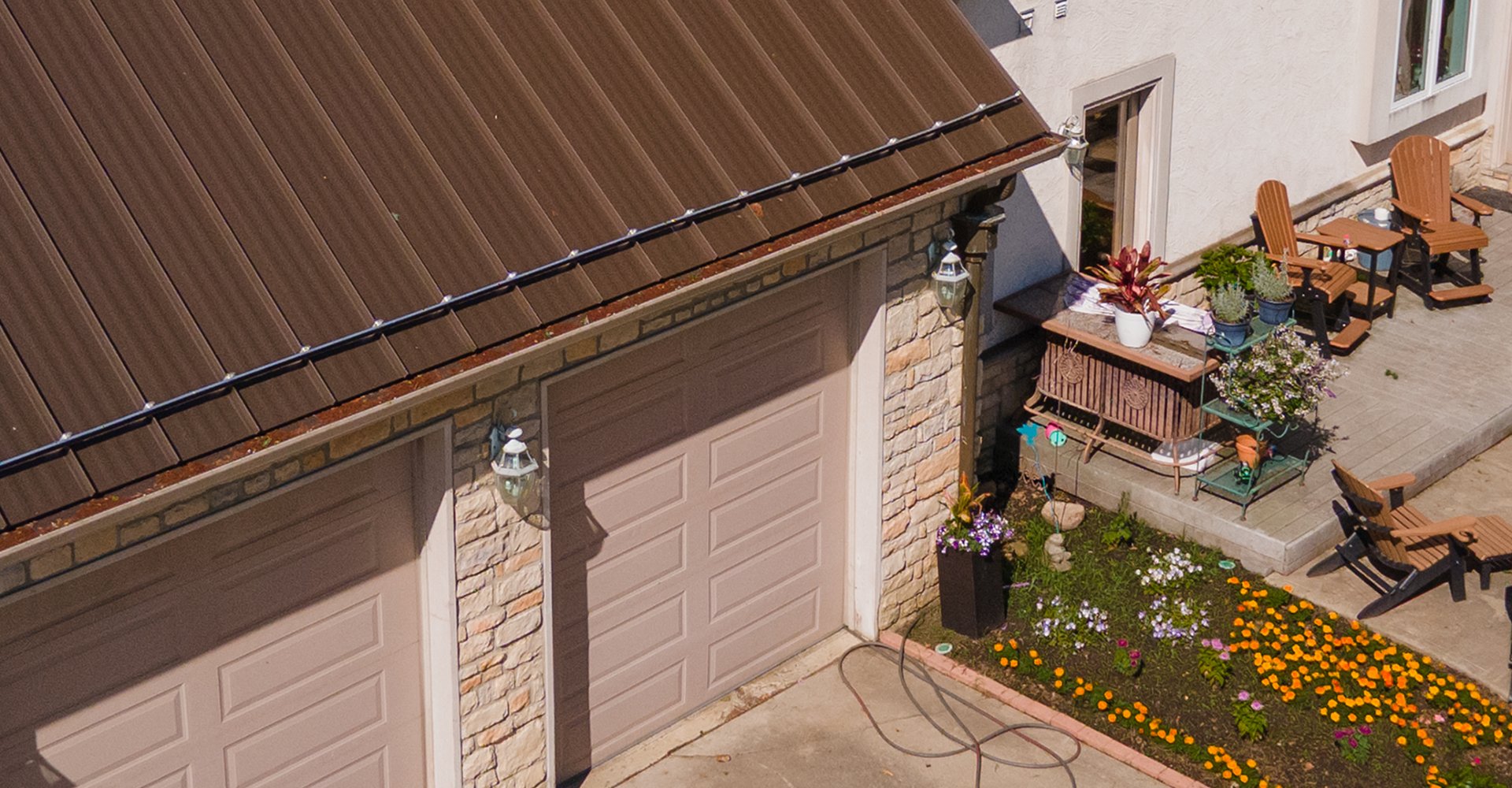
Cleaning leaves, twigs, and debris out of gutters isn't exactly how most homeowners want to spend a Saturday. That's why gutter guards and screens are appealing: they install a protective system over the gutters and reduce the debris that gets inside.
But do gutter guards actually work? The answer depends on what you expect them to do.
Gutter guards can significantly reduce debris buildup and make gutter maintenance easier, but they don't eliminate maintenance altogether. Understanding how these systems work and what they can and can't do will help you decide if they're a worthwhile addition to your Ohio home.
Gutter guards create a barrier between your gutters and the debris falling from trees and collecting on your roof.
Rainwater can still enter the gutter while larger materials, such as leaves and twigs, are kept out. This helps water continue moving through the gutter downspout instead of getting trapped behind a pile of debris.
Different systems accomplish this in different ways. Gutter screens typically use openings that allow water through while blocking larger debris. Other gutter guards may use finer openings or specially designed surfaces to manage water and debris.
The basic goal is the same: keep gutters flowing more freely and reduce how quickly they become clogged.
One of the biggest misconceptions about gutter guards is that installing them means you'll never have to think about your gutters again.
That's not realistic.
Small debris, seeds, dirt, and roof granules can still collect around or underneath certain gutter protection systems. Leaves may also pile up on top of gutter screens, particularly if your home is surrounded by mature trees.
The difference is that maintenance may become less frequent and easier to manage.
You should still periodically inspect your gutters, gutter guards, and downspouts to make sure everything is draining properly.
Your gutter system has a simple but important job: move rainwater away from your home.
When gutters become clogged, water can overflow rather than reaching the gutter downspout. That water may end up running over fascia boards, alongside siding, or directly beside the foundation.
Over time, poor drainage can contribute to problems such as:
Keeping debris out of the system helps your gutters do the job they were installed to do.
Ohio's changing seasons create plenty of opportunities for gutter clogs, but fall is an especially challenging time.
Homes surrounded by mature trees can collect large amounts of leaves in a short period. A gutter that was clear at the beginning of October can be packed with debris just a few weeks later.
Gutter screens can reduce how much of that material enters the system. That becomes particularly valuable heading into winter, when clogged gutters and freezing temperatures can create additional drainage problems.
Protecting the top of the gutter is only one part of maintaining an effective drainage system.
Water also needs a clear path through the gutter downspout and away from the home. If a downspout becomes clogged, water can back up into otherwise clean gutters.
Homeowners should periodically check that downspouts are securely connected and flowing freely. During a moderate rain, take a look around your property and make sure water is moving through the system instead of spilling over gutter edges.
Not necessarily.
The value of gutter guards depends partly on your property. A home surrounded by large deciduous trees may benefit considerably more than a property with very few nearby trees.
Roof design also matters. Valleys and steep roof sections can concentrate large amounts of rainwater and debris in particular areas.
That's why choosing a gutter protection system shouldn't simply come down to buying whatever product promises the least maintenance. Your home's roof, trees, gutter design, and drainage requirements should all be considered.
Yes, when they're properly selected, installed, and maintained.
The important distinction is that gutter guards aren't a substitute for gutter maintenance. They're a tool for reducing debris and helping your drainage system perform more consistently.
For Ohio homeowners who regularly deal with leaves, twigs, and clogged gutters, that can make a meaningful difference.
If you're tired of repeatedly dealing with clogged gutters, have your existing system evaluated. The right gutter guards or gutter screens can help reduce maintenance while keeping rainwater moving through your gutters and away from your home where it belongs.