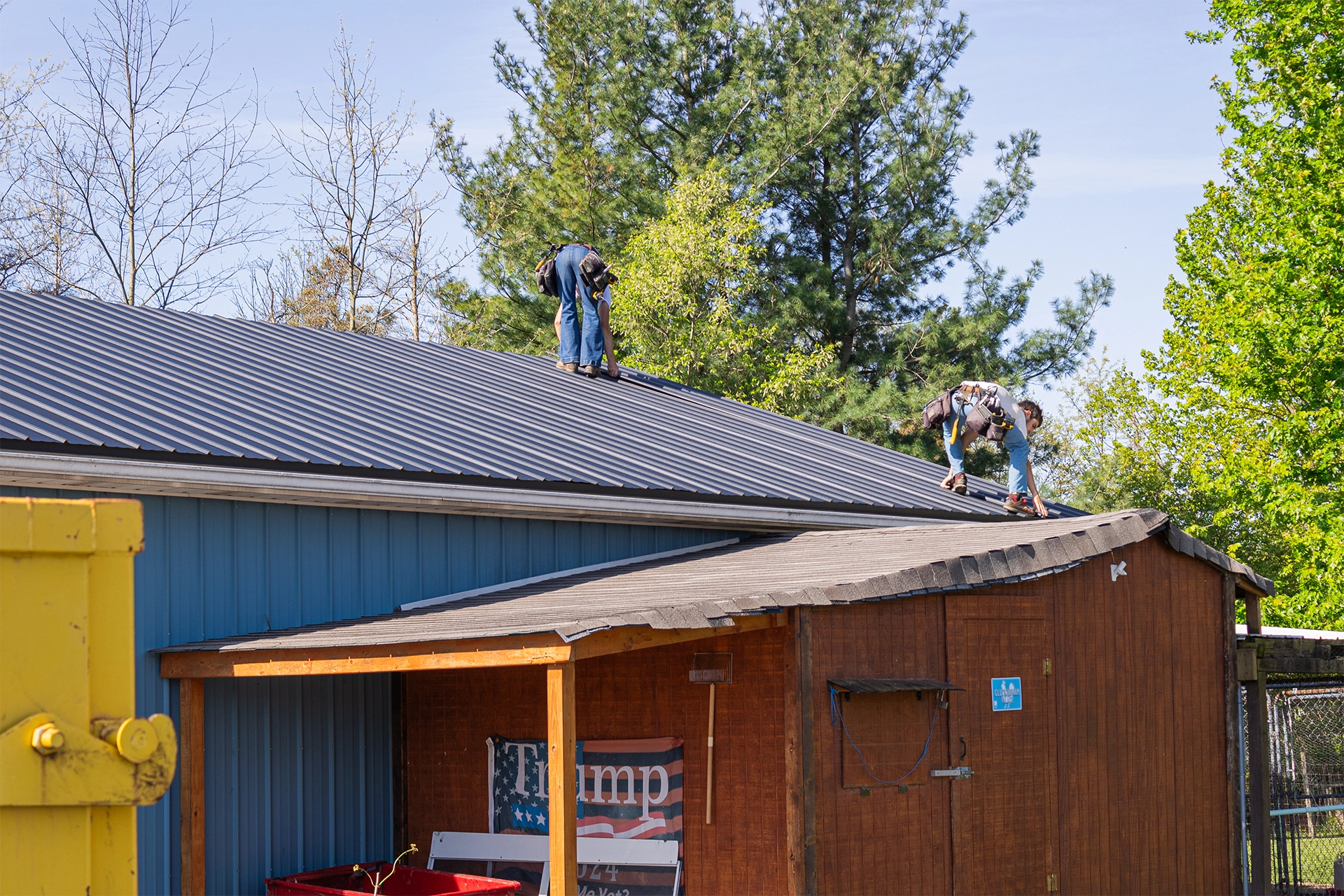
Metal roofing has gained popularity across Ohio for its durability and long lifespan. But what many homeowners don’t realize is that the performance of a metal roof depends just as much on what’s underneath it as the panels themselves.
One of the most overlooked components in a metal roofing system is the underlayment and, more specifically, how it’s installed.
UDX underlayment is a high-performance synthetic material designed specifically for use under metal roofing systems. It provides a protective barrier between the metal panels and the roof decking, helping manage moisture and improve overall performance.
Compared to traditional felt underlayment, UDX offers:
It’s designed to work as part of a complete system, not as a standalone solution.
Two metal roofs can look nearly identical from the ground, yet perform very differently over time. The difference often comes down to installation methods and attention to detail.
Homeowners searching for standing seam roofers should look beyond price and focus on how the system is installed.
Questions worth asking include:
Clear answers to these questions can reveal whether a contractor is focused on long-term performance or short-term convenience.
One of the biggest mistakes made by inexperienced installers is fastening metal roofing panels directly into the underlayment and roof deck without additional structural support.
At first glance, this may seem sufficient. The panels are secured, and the roof appears complete. But over time, this method can lead to serious problems.
Underlayment alone does not provide the strength needed to properly hold fasteners under long-term stress.
Proper metal roofing installation includes the use of furring strips. These are installed over the underlayment to create a solid, consistent surface for fastening the metal panels.
Furring strips provide:
Without furring strips, screws rely too heavily on the decking and underlayment, which can lead to loosening, movement, and eventual leaks.
Skipping furring strips may save time during installation, but it often leads to problems later. These can include:
For homeowners investing in metal roofing in Columbus, Northeastern Ohio, or surrounding areas, these issues can undermine what should have been a long-lasting solution.
Not all metal roofs are created equal. The materials matter, but the installation matters just as much. A properly installed system is built to withstand Ohio's changing weather for decades, while shortcuts beneath the surface can lead to problems long before the roof reaches its expected lifespan.
When evaluating metal roofing options, make sure you're choosing a contractor who focuses on long-term performance, not just getting the job done quickly.