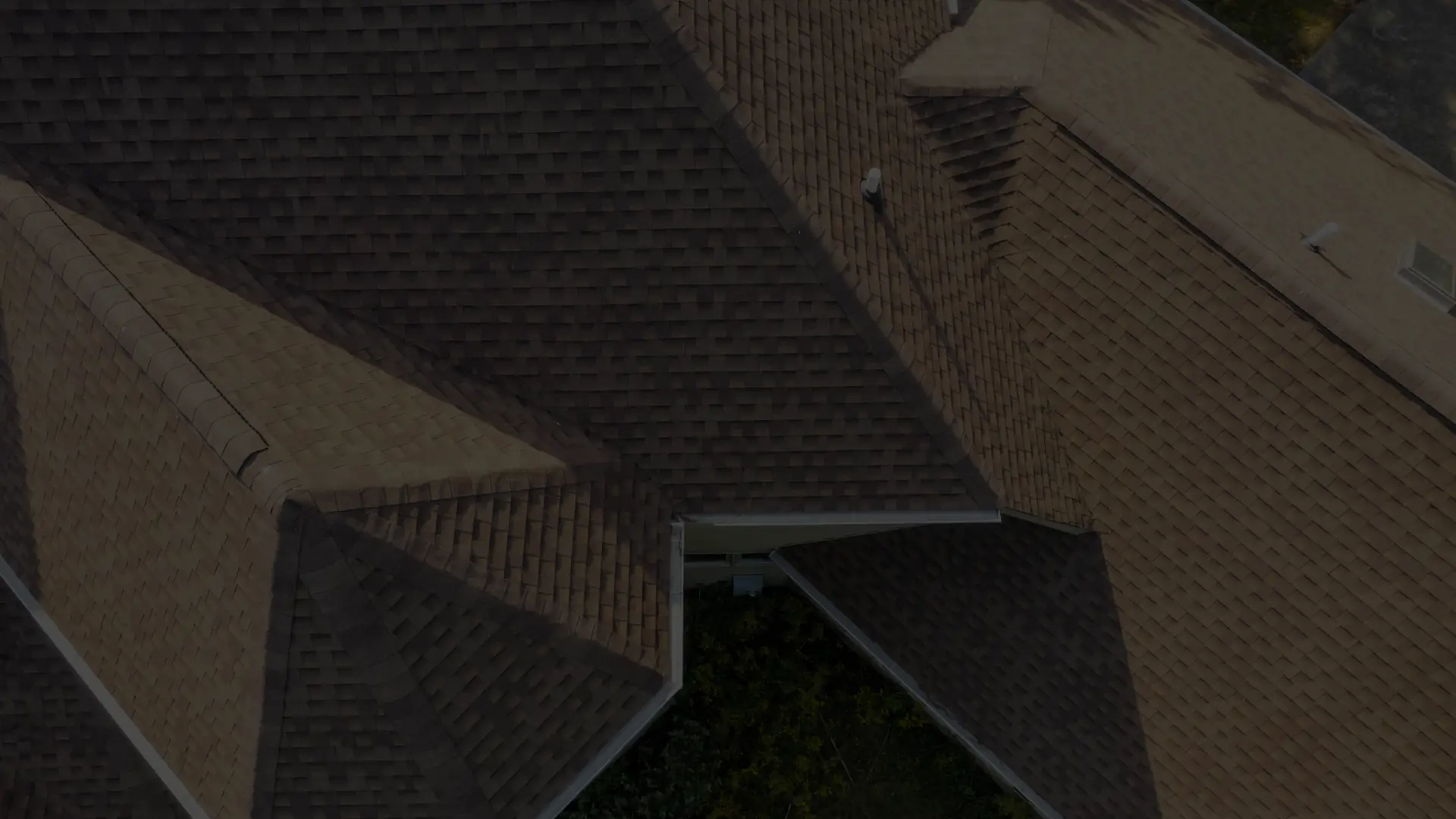
Overhead drone view of a completed gray architectural shingle roof on a ranch home

Roof Maintenance & Lifespan
and What Happens Without It

Your roof is your home’s primary defense against the elements. While high-quality materials lay a strong foundation, proactive maintenance determines how long your roof will actually protect your property.

At Twincreek Roofing, we believe informed homeowners make the best decisions. This guide details expected lifespans across common roofing materials, essential maintenance routines, and key signs that indicate it is time to schedule a professional inspection.


Request a Free Estimate

Expected Lifespan by Roofing Material

Every roofing system comes with an estimated service life. Factors such as weather exposure, ventilation quality, and routine care directly impact where your roof falls within these ranges:


Roofing Material‍
Average Lifespan‍
Key to Longevity‍
3-Tab Asphalt Shingles

15 – 20 Years
Keeping gutters clear and preventing moss growth.
Architectural Shingles‍
25 – 30 Years
Proper attic ventilation and annual inspections.
Metal Roofing (Standing Seam)
40 – 70 Years
Checking fastener integrity and sealants periodically.

Essential Routine Maintenance Checklist


Routine preventative maintenance reduces the risk of sudden leaks and expensive structural repairs.

1. Spring & Fall Gutter Cleaning‍

  • Clear leaves, twigs, and buildup from gutters and downspouts.
  • Ensure water drains at least 3 – 5 feet away from your home’s foundation.
  • Keep gutters clear so water doesn’t back up along the roof edge and lead to fascia rot or winter ice dams.

‍2. Debris Clearance‍

  • Trim back overhanging tree branches to prevent surface scraping and keep squirrels or raccoons away.
  • Remove accumulated leaf piles and pine needles from roof valleys where moisture collects.

‍3. Visual Inspections (From the Ground)‍

  • Check for missing, curling, cracked, or lifting shingles after major windstorms.
  • Look for excessive granule loss in downspouts —a sign that shingle asphalt is deteriorating.
  • Check chimney flashing, pipe boots, and skylight seals for gaps or degraded caulk.

‍4. Attic Ventilation & Insulation Check‍

  • Verify soffit and ridge vents remain unblocked by insulation.
  • Maintain steady attic airflow to prevent heat damage to shingles in summer and reduce ice dams in winter.


‍SAFETY NOTE: Avoid walking on the roof and always be careful when working on ladders. For a closer look, schedule a professional inspection.

Why Work With Twincreek Roofing?


Our team catches small problems before they become costly repairs. Twincreek provides honest inspections and maintenance support so you know exactly where your roof stands.

Warning Signs Your Roof Needs Attention


Address minor roof issues quickly to prevent widespread damage. Watch for these key indicators:

  • Interior Ceiling Stains: Yellowish-brown rings or sagging drywall inside your home.
  • Granule Loss: Shingles losing their outer coating, exposing the underlying asphalt layer.
  • Algae or Moss Growth: Dark streaks or green moss patches that retain moisture against shingle surfaces.
  • Daylight in the Attic: Visible light coming through the roof deck boards.
  • Sagging Roofline: Drooping edges, uneven roof planes or distorted shingles.
  • Damaged Flashing: Warped, cracked, rusted, or lifted metal strips around chimneys, vents, valleys, and wall joints.
  • The Roof’s Age: A roof nearing the end of its expected lifespan (see the table above) should be inspected even if no damage is visible.

Frequently asked questions

How do I know if my roof needs repair or full replacement?

If your roof has isolated damage like a few missing shingles, a repair may be enough. However,widespread wear, leaks, or a roof nearing the end of its expected lifespan often means it’s time for a replacement. Twincreek Roofing provides honest inspections so you can make the right decision without pressure.

Do you offer free roof inspections?

Yes. We provide free, no-obligation roof inspections to assess damage, wear, and overall condition. You’ll get clear recommendations and straightforward pricing.

How often should I have my roof inspected?

You should have your roof inspected at least once a year, with additional checks depending on your roof's age and local weather.

What roofing materials and products do you offer?

We install high-quality asphalt shingles and metal roofing systems using trusted materials from leading manufacturers. As a GAF Master Elite® contractor, we offer GAF Timberline® shingles in a wide range of colors and styles. For metal roofing, we use durable systems from Premier Metals designed for long-term performance in Ohio’s climate. We’ll walk you through all available roofing options and help you choose the best fit for your home and budget.

Still Have Questions? Contact Us Today

Protect Your Investment with Twincreek Roofing

Whether you need a routine checkup after severe weather or a comprehensive replacement evaluation, our team brings trusted expertise to every project.

‍Ready to extend the life of your roof?


Contact Us for a Free Roof Inspection